Home | About Us | Contact Us
How Quartz Makes Paint Nearly Indestructible
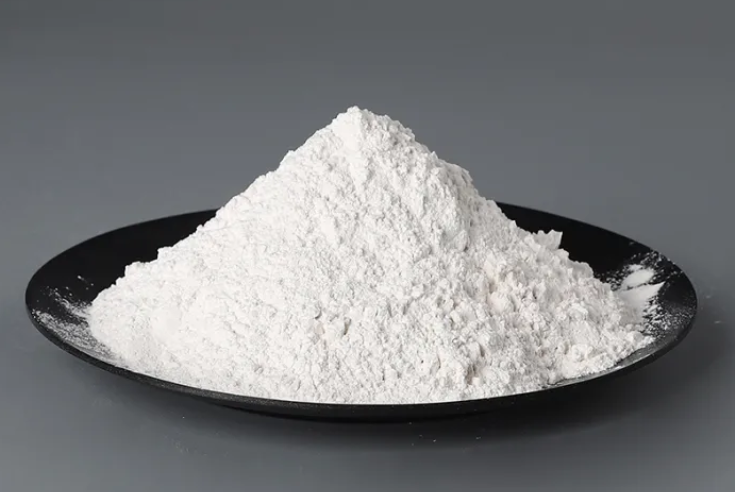
Most people recognize quartz as a beautiful stone used in countertops or jewelry. However, in the world of high-performance coatings, quartz, chemically known as crystalline silica, plays a critical role in enhancing durability, weather resistance, and long-term surface protection.
If you’ve ever wondered why certain paints withstand scorching sun, heavy rain, and repeated scrubbing without fading or wearing down, the answer often lies in the mineral composition inside the paint.
What Role Does Quartz Play in Paint?
Think of paint as liquid armor.
While resins act as the binder and pigments provide color, quartz functions as a reinforcing mineral filler that strengthens the coating.
1. Enhanced Scrub Resistance
Imagine rubbing plastic against stone, the stone wins.
Quartz significantly improves resistance to burnishing, the shiny marks left behind after repeated cleaning or scrubbing. This makes it ideal for:
- Interior walls in high-traffic areas
- Hospitals and schools
- Commercial and industrial surfaces
2. Superior UV Protection
Quartz particles scatter light effectively, helping shield color pigments from ultraviolet radiation.
Result:
- Reduced fading
- Better color retention
- Longer coating lifespan
This makes quartz-filled coatings suitable for exterior applications exposed to intense sunlight.
3. Improved Water Resistance: The “Shingle Effect”
Certain quartz particles are plate-shaped. When the paint dries, these particles overlap like roof shingles, creating a barrier that reduces water penetration.
Benefits include:
- Increased moisture resistance
- Reduced blistering and peeling
- Better performance in humid and rainy climates
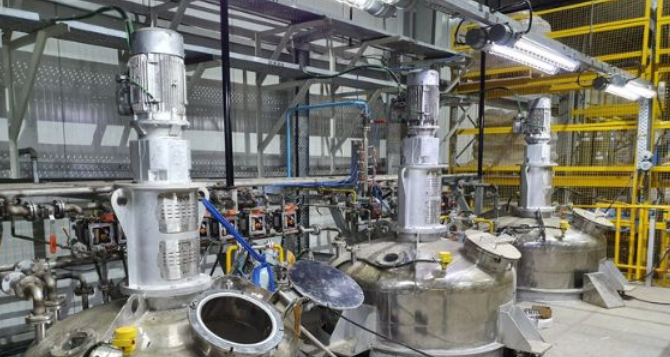
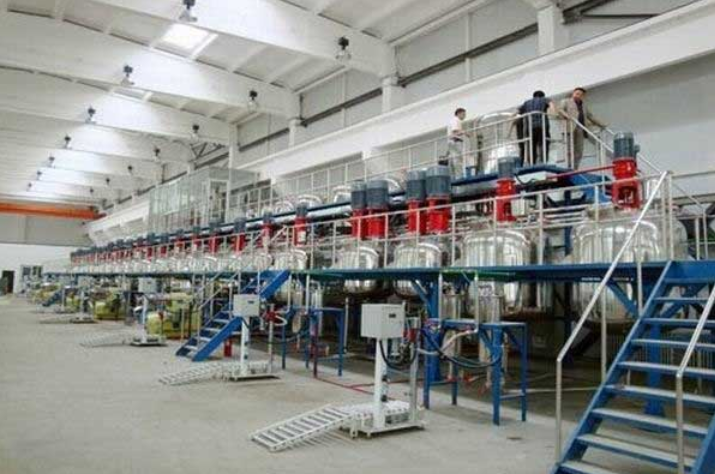
Step-by-Step: Quartz Integration in Paint Production
Step 1: Creating the Base Slurry
Manufacturers begin by blending:
- Liquid resins (binders)
- Water or solvents
- Performance additives
This mixture forms the liquid base.
Step 2: Adding Quartz – The Critical Moment
Quartz is introduced early in the process, alongside heavy pigments such as titanium dioxide.
Why early addition matters:
- Quartz particles are dense and prone to clumping
- Early dispersion ensures uniform distribution
- Proper wetting prevents grittiness and lump formation
A high-speed disperser blade (often called a Cowles Dissolver) spins at high RPM, creating a vortex that coats each quartz particle with resin. This ensures smooth texture and consistent performance.
Step 3: The Let-Down Phase
Once pigments and quartz are fully dispersed into a thick paste:
- Remaining liquids
- Additional resins
- Performance modifiersare added to achieve final viscosity and application properties.
Recommended Mesh Sizes for Paint Applications
Particle size selection determines surface smoothness, opacity, durability, and mechanical strength.
Fine Grades (High Smoothness & Decorative Coatings)
325 Mesh (45 microns)
400 Mesh (38 microns)
500 Mesh (25 microns)
Best for:
Interior wall paints
Premium decorative coatings
Smooth finish emulsions
Putty & primer formulations
Medium Grades (Durability & Exterior Protection)
200 Mesh (75 microns)
250 Mesh (63 microns)
Best for:
Exterior paints
Weather-resistant coatings
Textured finishes
Industrial maintenance coatings
Coarse Grades (Heavy-Duty & Protective Coatings)
80–150 Mesh (100–180 microns)
Best for:
Industrial floor coatings
Anti-skid coatings
Marine & infrastructure protection
Protective heavy-duty paints
Recommended Dosage Levels
The amount of quartz used varies depending on formulation requirements:
Interior emulsions: 5–15%
Exterior coatings: 10–25%
Industrial coatings: 20–40%
Floor & anti-skid coatings: up to 50%
Proper balance ensures durability without affecting workability.
Industries That Benefit from Quartz – Reinforced Coatings
Quartz-filled paints and coatings are widely used in:
Architectural coatings
Industrial floors & protective coatings
Marine and infrastructure coatings
Automotive primers & protective layers
Exterior weather-resistant paints
Quartz may be invisible in the final coating, but its performance benefits are unmistakable. By reinforcing paint with crystalline silica, manufacturers create coatings that resist wear, weather, and time, delivering durability that ordinary formulations simply cannot match.
For coating manufacturers and formulators, quartz isn’t just a filler, it’s a performance enhancer that transforms paint into long-lasting protection.
At Shri Vinayak Industries (SVI), we manufacture high-purity quartz powder using modern processing plants equipped with advanced grinding, micronizing, and classification machinery. Our facilities are designed to maintain strict quality control at every stage, from raw material selection to final grading, ensuring consistent particle size distribution, high brightness, and dependable performance in paint and coating formulations. Backed by years of hands-on experience in mineral processing and industrial supply, our team understands the technical requirements of coating manufacturers and delivers products engineered for reliability, durability, and process efficiency. This combination of robust infrastructure, precision machinery, and deep industry expertise enables us to supply quartz solutions that meet the demanding standards of modern coatings.